
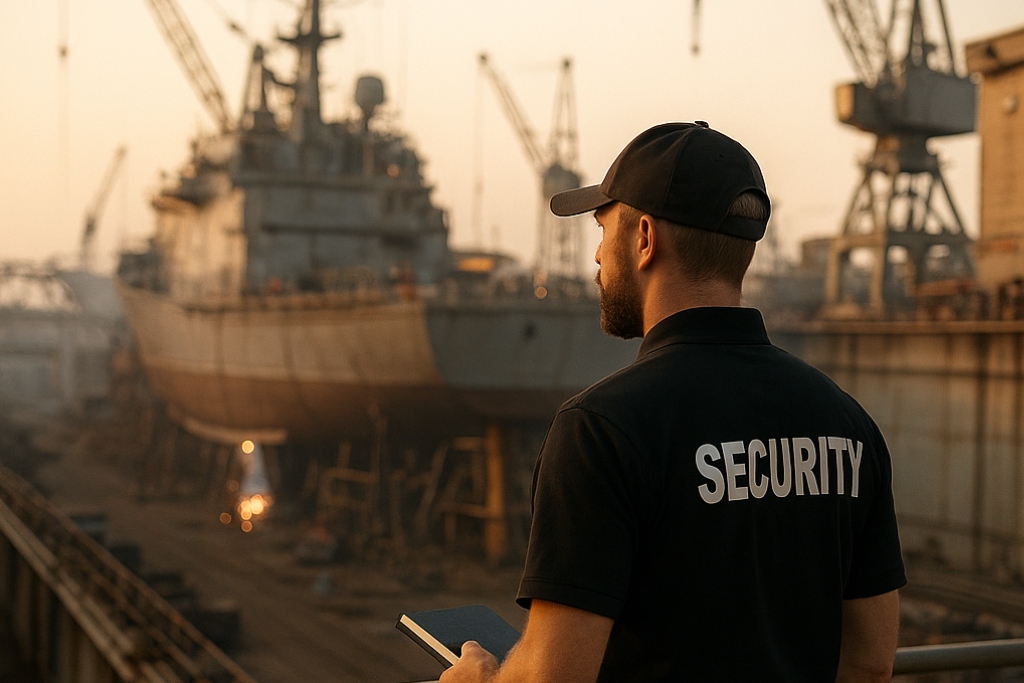
Technology may move the headlines, but people move the mission.
That’s one of the quiet truths embedded in the 2025 National Security Strategy. While the document outlines ambitious goals for modernizing infrastructure, revitalizing industry, and integrating unmanned systems, the subtext is clear: none of those objectives succeed without the skilled workforce required to execute them.
And in the maritime sector, particularly the shipyards, ports, and coastal facilities that keep America afloat, the human factor is not just important; it is decisive.
The NSS highlights the need for “credible, experienced professionals” across every part of the defense ecosystem to ensure resilience during disruption, continuity in crisis, and responsible adoption of emerging technologies. That language resonates deeply with what we see every day inside U.S. naval ship repair facilities and commercial yards across the country.
People are the connective tissue linking policy to practice, and practice to readiness.
This reality becomes obvious during any major availability cycle. You can modernize processes, integrate USVs into surveillance patterns, deploy new access-control technologies, or redesign security frameworks, but without trained operators who understand the tempo, hazards, and idiosyncrasies of a shipyard environment, those tools fall flat.
What makes a facility secure is not a camera, a badge reader, or a sensor, it’s the individual making decisions in the moment:
- Recognizing a contractor who doesn’t belong.
- Identifying subtle behavioral anomalies.
- Spotting an unsecured compartment on a naval vessel and escalating.
- Adjusting posture during a high-value evolution or emergent threat.
These are not tasks easily automated. They require experience, judgment, and an intimate understanding of how shipyards function: organizationally, physically, and culturally.
That’s why the NSS’s commitment to “strengthening the national labor force” is so central to maritime security. If we want secure infrastructure, we need a stable, trained, and professionalized security workforce. For private shipyards supporting naval assets, that’s not a luxury. It’s a national defense requirement.
And this is where companies like Six Maritime play a unique role.
Our operators are not simply guards; they are seasoned mariners, veterans, coxswains, and instructors who understand both the operational environment and the security implications of every movement within it. They are the bridge between evolving threats and the real-world actions that prevent them from materializing.
Policy can accelerate investment, modernize systems, and direct attention, but skilled people carry the mission across the finish line.
In that sense, the 2025 National Security Strategy is not just a roadmap for modernization. It is a reminder: the future of maritime security is still built on the shoulders of the professionals who stand the watch.